


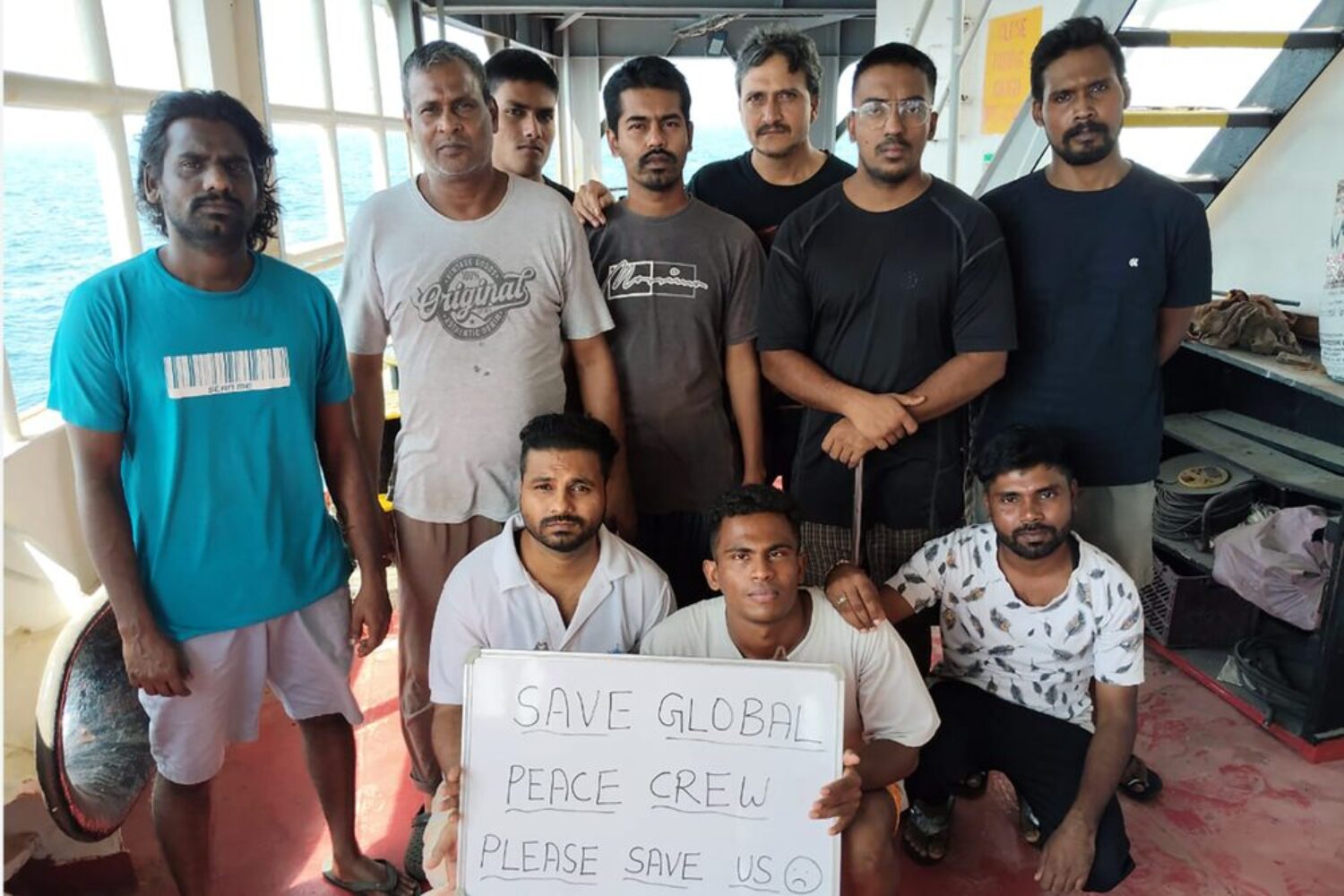
According to the latest data from the International Transport Workers’ Federation (ITF), 6,223 seafarers were abandoned on 410 ships worldwide last year.
This is the sixth time in a row that a record number of ships have been affected and the fourth time in a row that a record number of seafarers have been suspended.
Trade union sees the risk of a worsening crisis
Compared to 2024, the number of ship abandonments increased by 31% and the number of seafarers affected by 32 According to the ITF, this is a worsening crisis. Seafarers have been deprived of wages totaling $25.8 million as a result of the suspensions. The ITF has so far been able to recover $16.5 million of this and pay it out to those affected.
“It is nothing short of disgraceful that we are once again seeing record numbers of seafarers being abandoned by unscrupulous shipowners,” said David Heindel, chair of the ITF Seafarers’ Section. The repeated cases demonstrate a systemic problem within the industry.
According to the International Maritime Organization (IMO) definition of abandonment, abandonment occurs when, among other things, shipowners fail to organize repatriation, leave seafarers without supplies or fail to pay wages for at least two months. Of the 410 cases reported worldwide, around 98% were documented by the ITF.
Indian seafarers worst affected
Indian seafarers were again the worst affected: 1,125 cases were registered in 2025. They were followed by Filipino seafarers with 539 cases and Syrian seafarers with 309 cases. Most abandonments occurred in the Middle East, followed by Europe. Turkey (61 ships) and the United Arab Emirates (54) had the highest number of cases.
Flags of convenience continue to play a central role. 337 of the 2025 ships suspended, or around 82%, sailed under such flags. Panama was once again the flag state with the most cases (68), while the number of suspensions under an unknown flag more than doubled.
Against this backdrop, the ITF is calling for stricter measures to combat the abandonment of seafarers. These include mandatory disclosure of the beneficial owners of ships at the time of registration, national blacklists for repeatedly conspicuous ships and government investigations into the use of flags of convenience.