
The planned “cross-border” natural gas extraction off the coast of the German isle of Borkum in the North Sea will soon face the next hurdle: The German government plans to conclude an agreement with the Netherlands.
More than €500 million is at stake: After lengthy negotiations and reviews, the consortium around the companies ONE-Dyas, EBN and Hansa Hydrocarbons had already made the final investment decision in 2022. Approval was finally granted last September. Now the politicians are following suit.
To this end, the German government has submitted a draft bill to the Bundestag “on the agreement of August 27, 2025 between the Government of the Federal Republic of Germany and the Government of the Kingdom of the Netherlands on the development of transboundary hydrocarbon deposits in the North Sea”.
The agreement concerns a transboundary hydrocarbon reservoir in the North Sea – the so-called N05-A field – and is intended to regulate cooperation between the two countries in the development of this field and other transboundary reservoirs. Among other things, the agreement provides for a procedure to determine and divide up cross-border gas deposits and regulations on the collection of so-called production levies. The agreement is also intended to ensure cooperation between the Dutch and German mining authorities.
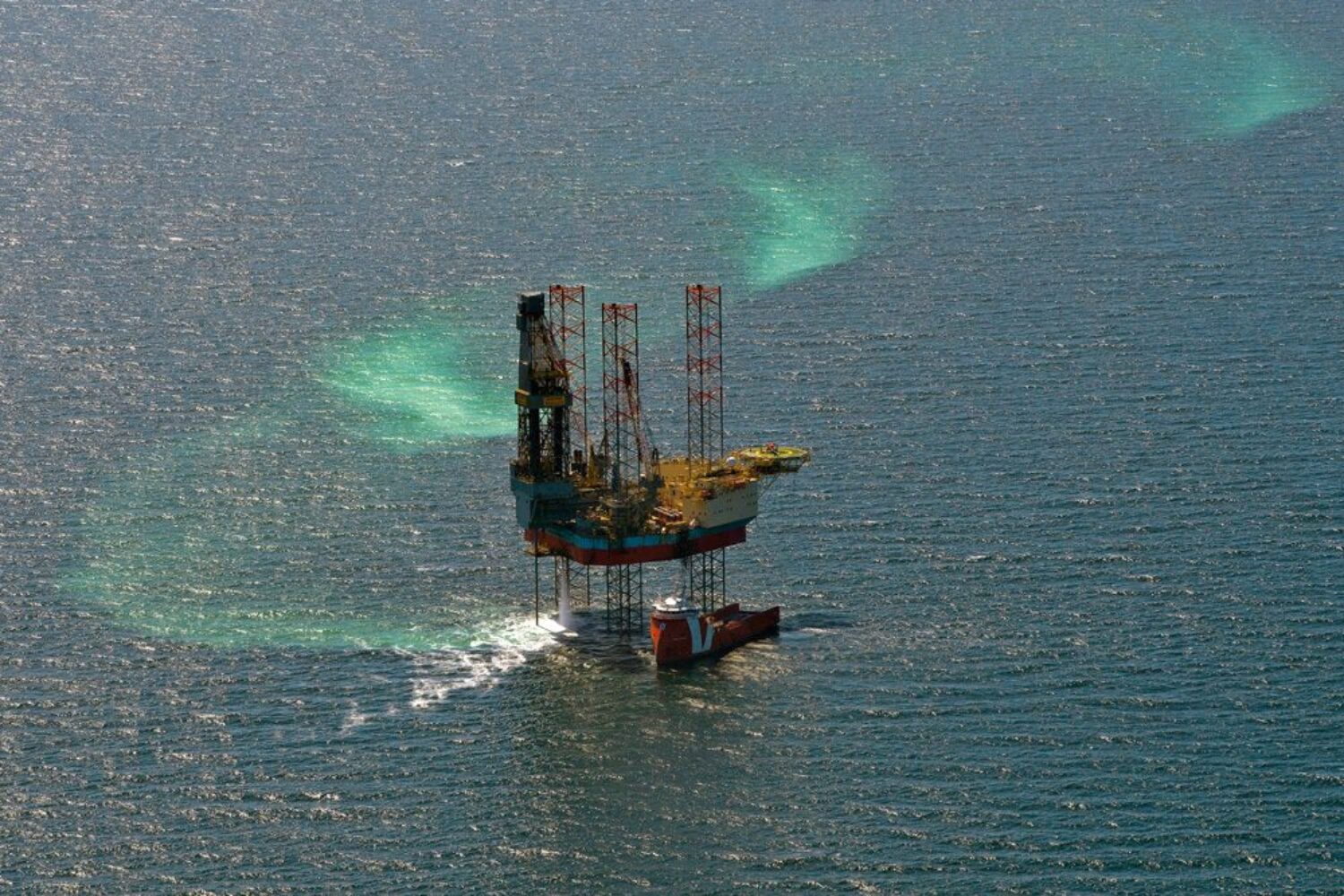
Between 4.5 and 13 billion m³ of natural gas are to be extracted and supplied to the Netherlands and Germany. The production platform will be positioned around 20 km from the islands of Schiermonnikoog and Borkum, around 500 m from the German-Dutch border. Electricity will be supplied via the EWE wind farm “Borkum Riffgat”.
The development is part of the “GEMS” (Gateway to the Ems) project and refers to an area in the North Sea, around 20 to 100 km north of the Ems estuary. The potential of the entire Dutch-German GEMS field is estimated at around 50 billion m³, depending on the success of the exploration. However, it has been agreed that the natural gas will only be extracted for as long as there is demand in the Netherlands and Germany.
The approval of the extraction project itself is not covered by the agreement, as the German government now writes according to the parliamentary service “heute im Bundestag”. According to the draft, approval under mining law and the decision on extraction as well as compliance with other legal requirements are the responsibility of the state of Lower Saxony in accordance with the provisions of the Basic Law and the Federal Mining Act. Accordingly, natural gas from the N05-A deposit should only be extracted “for as long as demand in the Netherlands and Germany requires”. (MM)