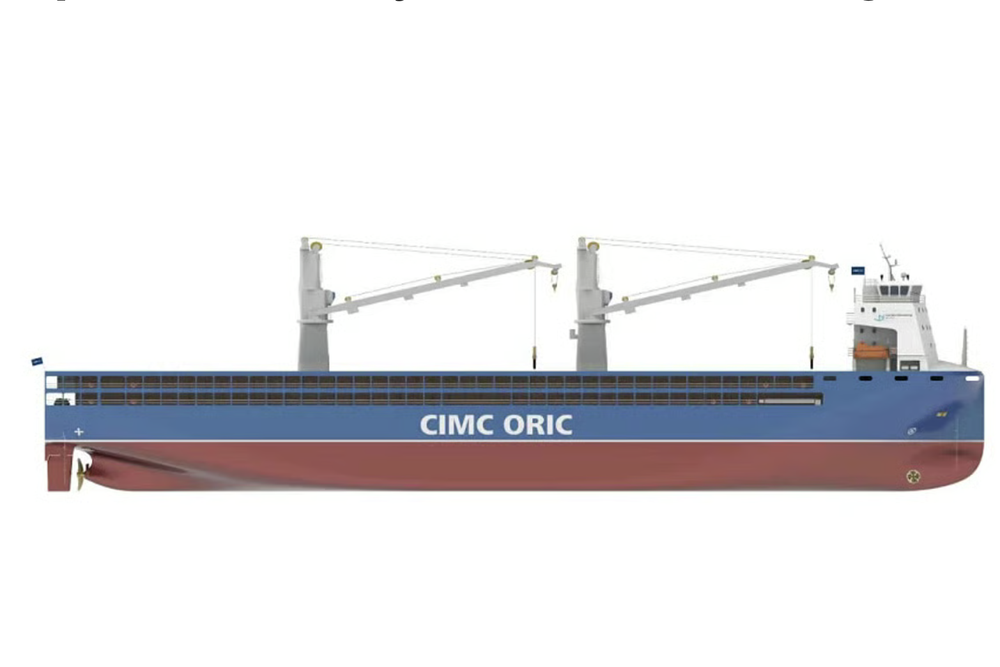


Northern Lights is significantly expanding its transport capacities for CO₂. The joint venture has awarded long-term charter contracts for a total of four new CO₂ transport ships.
Two units will go to a consortium consisting of Kawasaki Kisen Kaisha (K Line) and MISC Berhad from Malaysia, and two more to Mitsui O.S.K. Lines (MOL) from Japan.
The first three ships will each have a capacity of 12,000 m³ of liquid CO₂. A further special unit from the package for K Line and MISC is to be awarded in April 2026. The newbuildings are intended for the cross-border transportation of CO₂ from European industrial projects and will be deployed as part of long-term time charters. The respective shipping companies will remain the owners.
The ships will be built by the Chinese shipyard Dalian Shipbuilding Offshore (DSOC) and HD Hyundai Heavy Industries (HHI). Delivery is planned for the period from the second half of 2028 to the first half of 2029.
Northern Lights is expanding its fleet in response to increasing demand from existing customer contracts and the planned expansion of its own infrastructure. The aim is to increase transport and storage capacity to more than 5 million tons of CO₂ per year. The charter contracts are the result of a global tendering process.
“With additional ships, we can meet our commitments to customers, optimize operations and increase flexibility,” explained Managing Director Tim Heijn. At the same time, the involvement of new and existing partners shows that the market for CO₂ transport and storage is maturing.
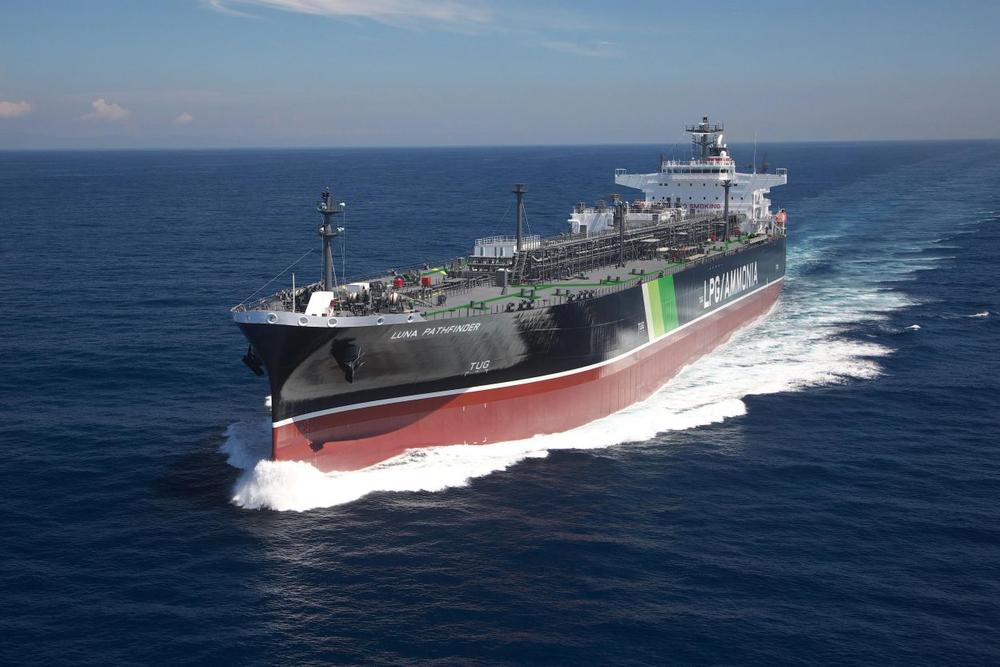
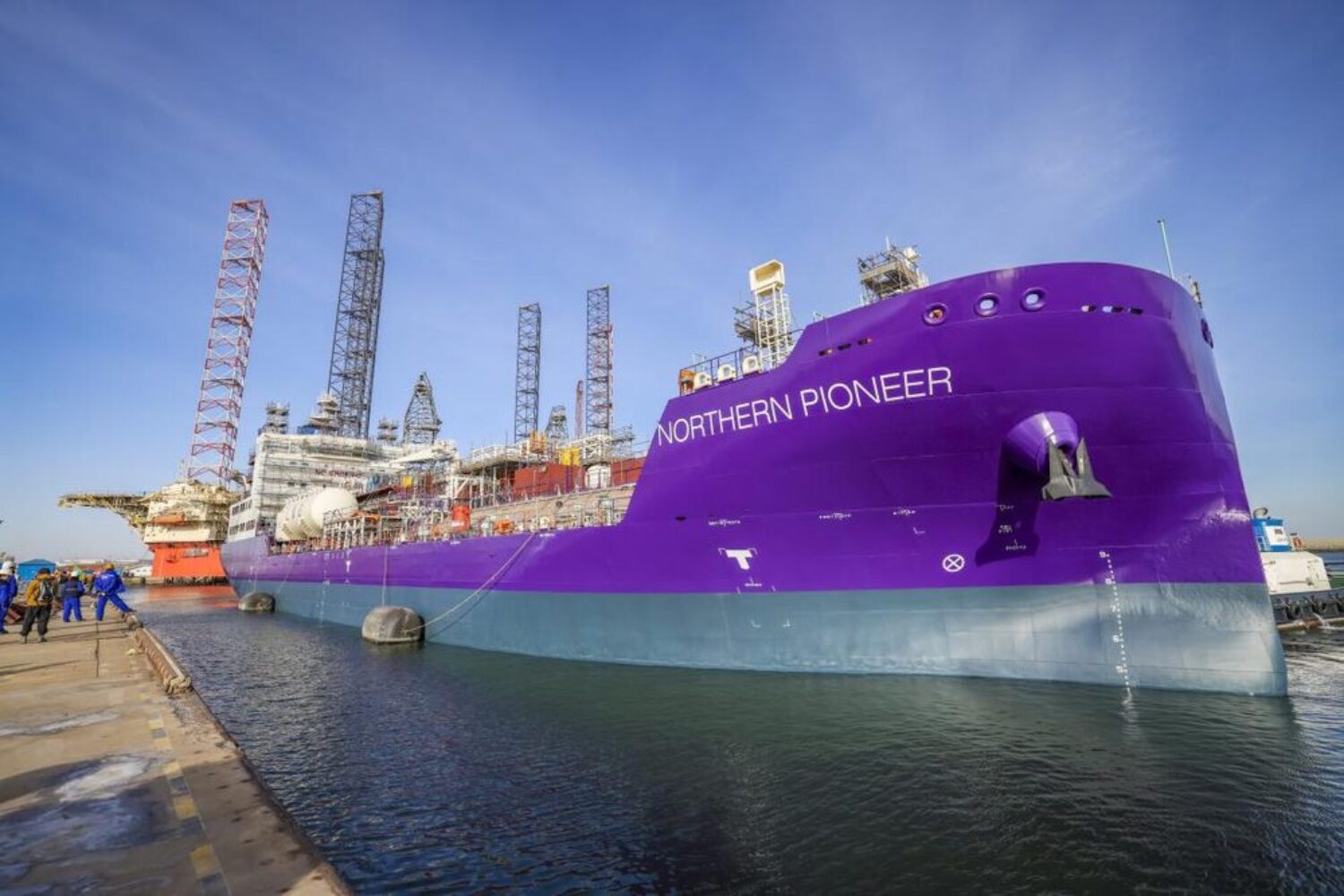
Northern Lights has had three 7,500 m³ ships since the end of 2024: “Northern Pioneer” (delivery 2024) , “Northern Pathfinder” (delivery 2025) and “Northern Phoenix”, taken over. The sister ships are part of the first project phase of the Norwegian Longship CCS program and are managed by K-Line. A fourth, identical ship is currently under construction and is scheduled for delivery in 2026. It will be operated by Bernhard Schulte, a Schulte Group company.
Northern Lights offers the transportation and permanent storage of CO₂ as a service. Since August 2025, liquefied CO₂ has been stored in a reservoir around 2,600 m below the seabed off the Norwegian coast. The joint venture is owned by Equinor, TotalEnergies and Shell and has concluded supply contracts with industrial partners in Norway, the Netherlands, Denmark and Sweden, among others.