


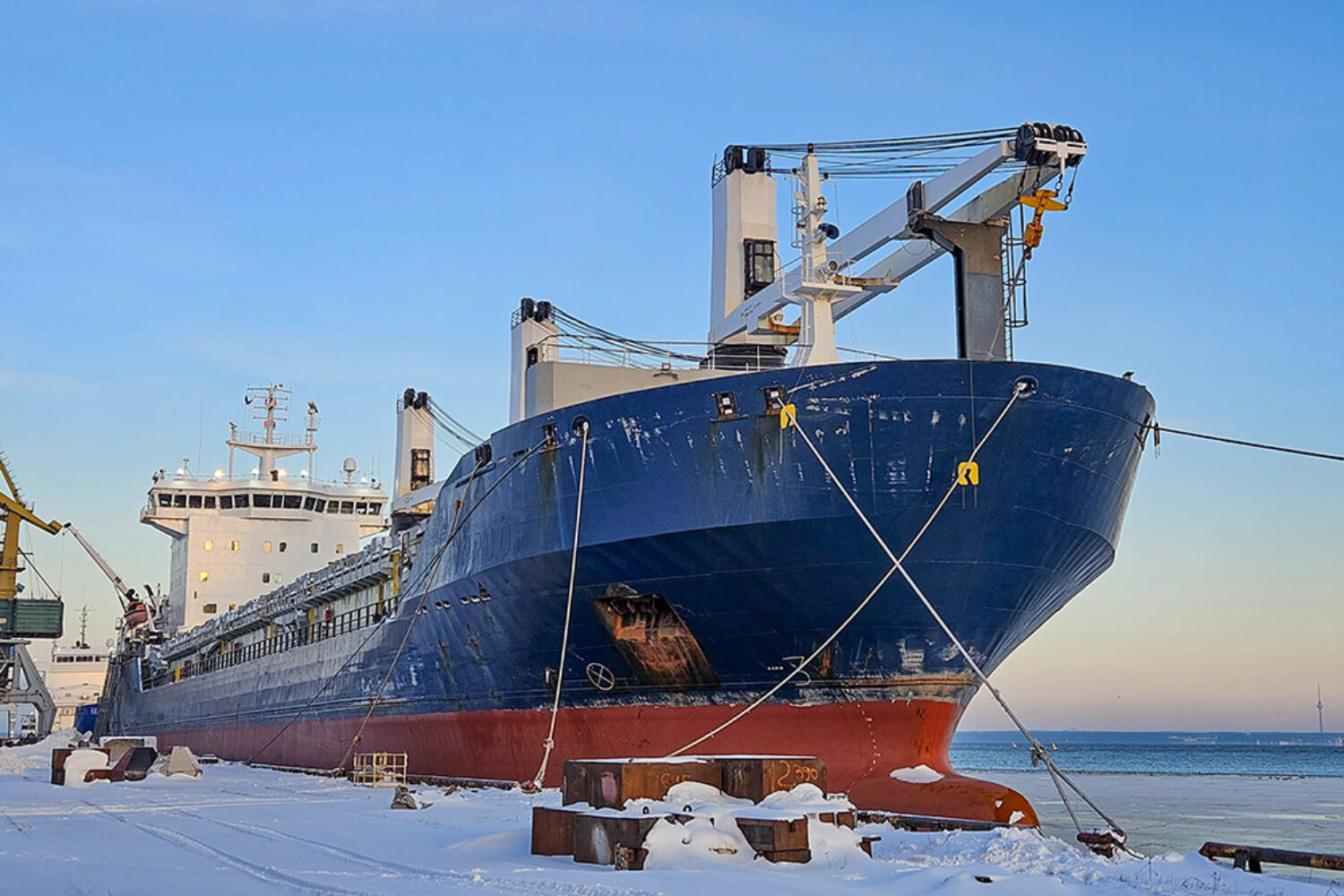
An oldie replaces an oldie before a newbuild arrives: MPP shipping company ESL has bought a 24-year-old 16,600-tonner to replace a 20-year-old ship for a transitional period.
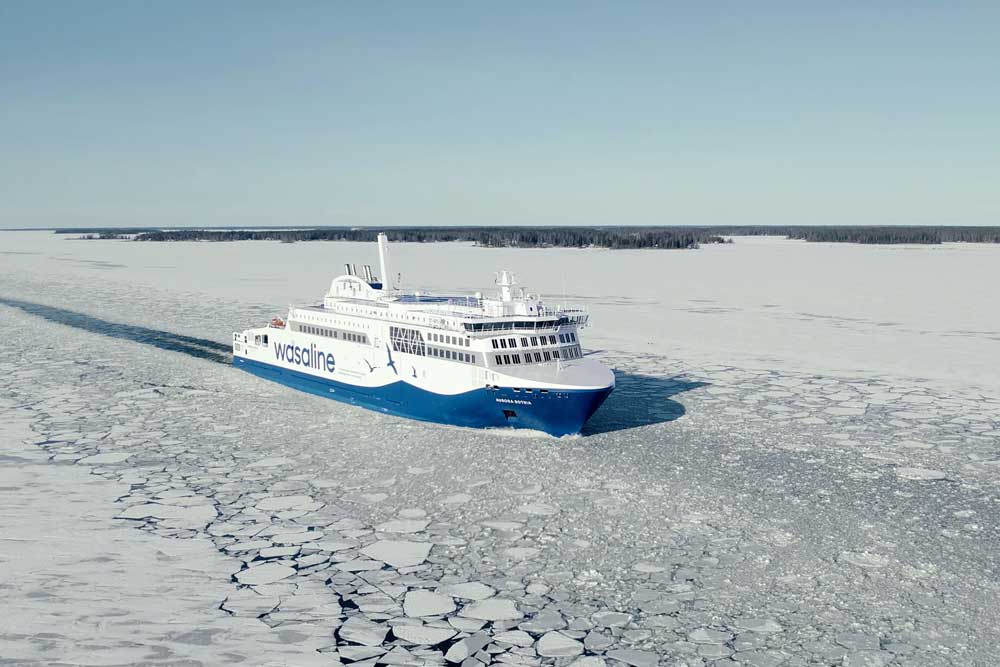
The shipping company belonging to the Aspo Group, under whose umbrella the carrier AtoB@C also operates, has now announced that it has acquired an “ice-going” ship on the second-hand market. The 16,600-tonner, built in 2002, is to be used as the “Nordis” in future. According to information from HANSA, this is the former “Transund” from the fleet of the Swedish shipping company SOL.
The purchase price was not made public, ESL calls the transaction a “strategic acquisition”, which follows the sale of the “Kallio” last fall. At the time, the move was justified by the planned and upcoming modernization of the fleet. Now the 21,350-tonner is being replaced by a ship that is four years older and has less carrying capacity.
Apparently there is a great need for tonnage at ESL. Regarding the purchase of the “Nordis”, it is said that the new addition “closes the capacity gap until the first ships of the Green-Handy class join the fleet in around two years’ time”. A series of 17,000-ton vessels is expected, which were ordered in China in 2024 for just under $190 million.
“With the ‘Nordis’ vessel, we are securing the jobs of our experienced crew and ensuring consistent service for new and existing customers during the transition period,” said Mikki Koskinen, Managing Director of ESL Shipping.
The combined fleet of ESL Shipping and AtoB@C Shipping consists of around 40 vessels with a cargo capacity of 4,000 to 25,000 tdw. In recent years, ESL has taken various steps to modernize its fleet, including sales, newbuilding orders and activities on the capital market. The sales and additional fresh money from the capital market were intended to create free capacity for “green” ships. ESL had also confirmed an equity injection of €45 million and relied on pooling as a financing instrument.
According to previous information, the 17,000-tonne vessels are optimized for the most important trade routes in the Baltic Sea region and transatlantic crossings and can be used flexibly on the Great Lakes in the United States and Canada. The bridge is arranged in the bow area so that long project cargoes can also be transported beyond the stern, as is the case with several newbuilding projects in the global market. Mixed cargoes can also be transported thanks to the integration of tween decks. Neither ESL nor the designer Deltamarin provided detailed information about the crane capacity.