


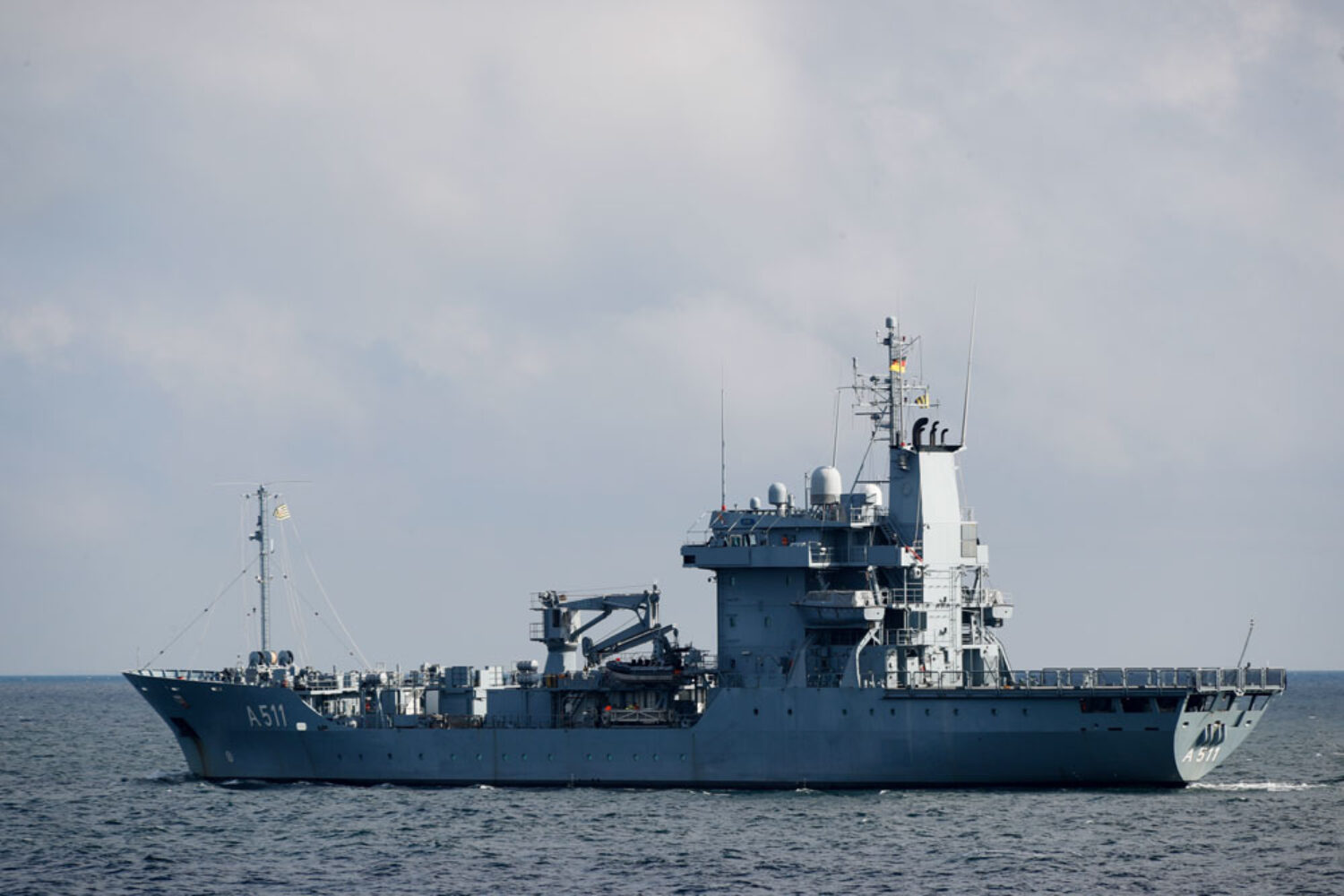
NATO ships have been securing the Aegean Sea against smugglers and illegal migration since 2016. Germany is a co-initiator of the mission and is currently participating with the ocean-going tug “Rügen”, which will soon be replaced by the tender “Elbe”.
In response to the refugee crisis at the time, NATO decided to launch the Aegean mission in 2016. Since then, multinational navies have been patrolling the area. Germany – as one of the initiators of this mission – is involved.
The German Navy is currently participating in the Standing NATO Maritime Group 2 (SNMG2) with the ocean-going tug “Rügen“. The ship has been serving as a command platform since the middle of the year. Today, the tender “Elbe” will set off from its home port of Kiel towards the Aegean to replace the “Rügen”.
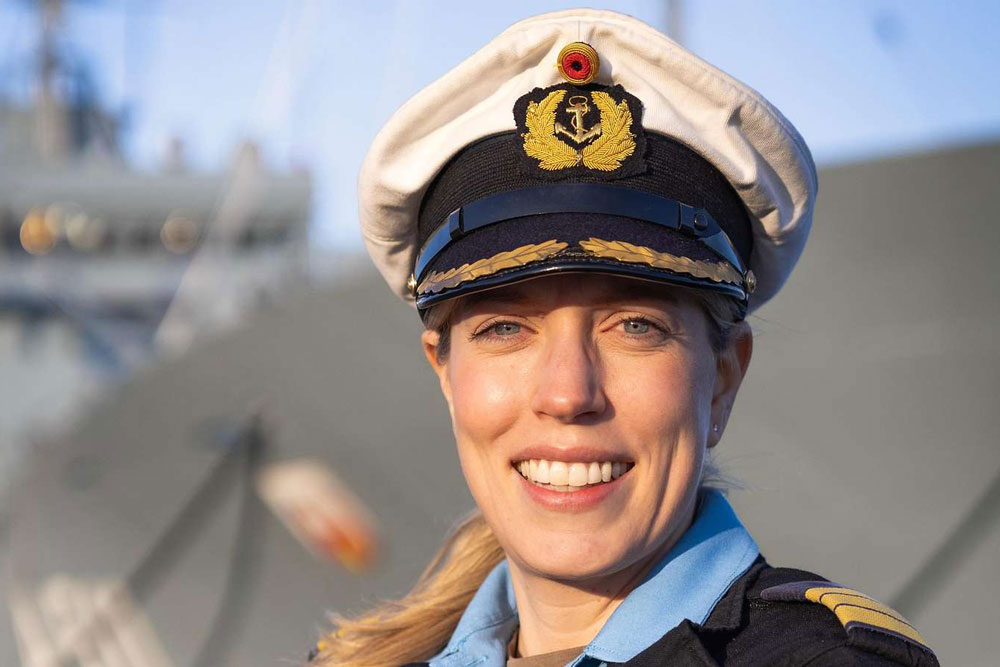
The boat and crew are expected back in Kiel in April 2026. “The crew already has a lot of days away from home due to deployment training. Added to this is the deployment over Christmas and New Year’s Eve. This is a special challenge for everyone on board, but of course also for the families at home,” says the commander, Corvette Captain Michelle Niehage.
German Navy permanently deploys units for NATO
In addition to the missions mandated by the Bundestag, the German Navy is constantly involved in NATO’s multinational naval units – such as the Standing NATO Maritime Group (SNMG) 2, for which the German Navy permanently deploys ships and boats. Participation in NATO units is also part of Germany’s obligations to the Alliance in peacetime. These NATO units have existed for decades.
The NATO activity in the Aegean is NATO’s contribution to managing the refugee and migration crisis. It was decided in February 2016 at the request of Germany, Greece and Turkey with the aim of quickly and significantly reducing the flow of refugees through the Aegean Sea.
With these activities, NATO intends to contribute to a situational picture for the Greek and Turkish coastguards and the European border agency FRONTEX. NATO forces provide support through maritime surveillance and the exchange of situational information to assist the authorities involved in their efforts against smugglers and their networks.