


US President Trump wants to enforce his will with punitive tariffs against Greenland’s supporters. The EU is considering decisive countermeasures, which are likely to significantly change trade relations.
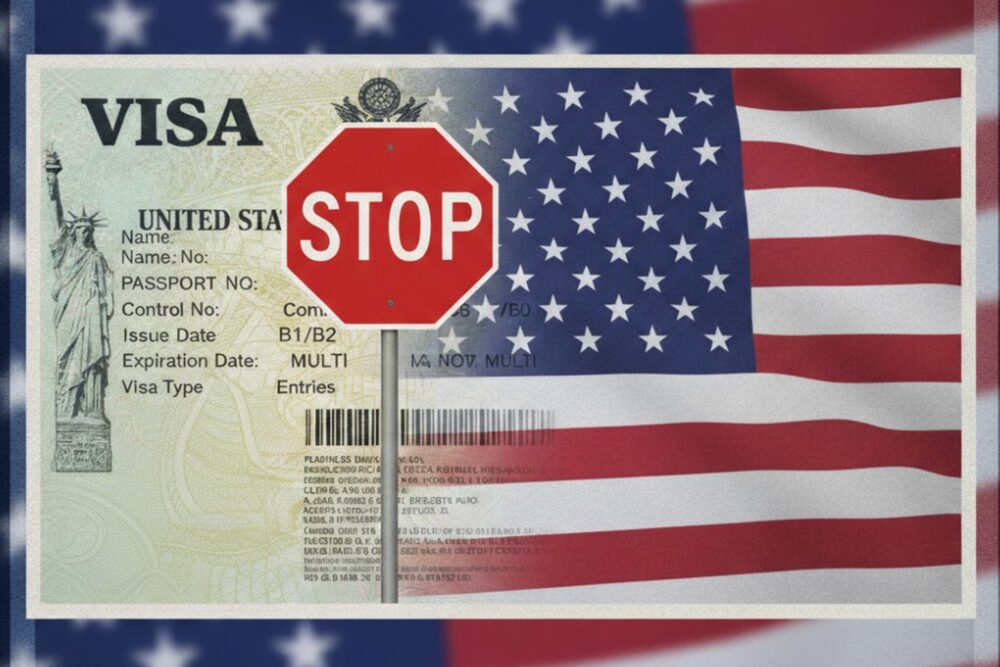
As US President Trump has so far met with a decisive “no” in the dispute over Greenland, he is now resorting to his favorite means of exerting pressure: punitive tariffs. In addition to Denmark itself, supporters Germany, France, the UK, the Netherlands, Norway, Sweden and Finland are also to be affected from February 1. If Denmark does not agree to the sale of Greenland by June, punitive tariffs of 10% will initially apply, rising to 25% from June.
Trump is thus taking the dispute to the next level. The EU wants to react to the escalation as one, including members that would not be directly affected by the tariffs. The vote on the previously negotiated customs agreement between the EU and the USA, which is due to take place this week, is therefore unlikely to produce a result.
A value of $93 billion in counter-tariffs on US goods and services is now on the table for February 6. French President Emmanuel Macron is even campaigning for the use of the Anti-Coercion Instrument (ACI), sometimes referred to as the “trade bazooka”. The EU can respond to economic coercion with this instrument, which was adopted in 2023. If it is imposed, the affected state loses access to the EU internal market and trade licenses are restricted. This would make the European Union a no-go zone for US services. The instrument has never been used before and many member states are advising caution due to the far-reaching consequences.
Talks are expected to take place on Wednesday at the World Economic Forum in Davos; Trump is traveling to Switzerland as an invited guest to take part.
Consequences of US customs policy
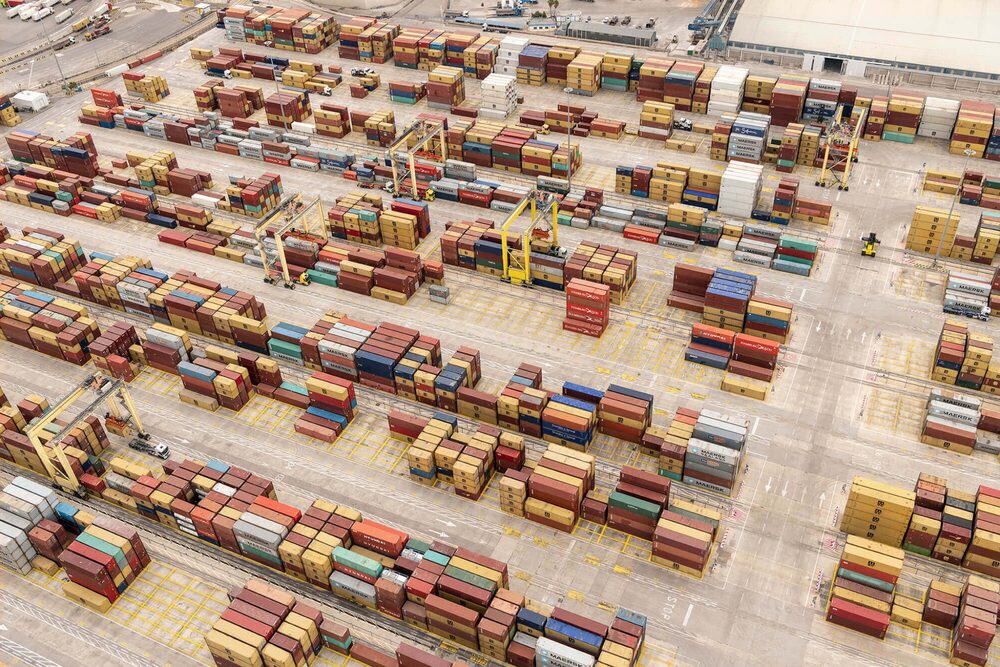
Is this a repeat of last year’s developments? At the beginning of his second term in office, Trump often used tariffs as a means of exerting pressure – with direct consequences for the shipping industry. The trade dispute between the USA and China, which was characterized not only by tariffs but also port fees, was particularly prominent. Voyages were brought forward in order to avoid high costs, and transport volumes fell significantly in the meantime. At some US ports – Long Beach, for example – throughput slumped significantly. A permanent solution has not yet been found here; the fees have “only” been suspended for a year for the time being.
If the worst comes to the worst and there is a rift between the EU and the USA over the Greenland issue, the consequences are not yet foreseeable. On the one hand, America is still regarded as an indispensable ally, while on the other, the member states must continue to safeguard their own interests.
It is possible that the more difficult trade conditions with the USA could lead to a focus on other or new partnerships, for example in Asia or Africa. The Mercosur agreement, which will come into force after 25 years of negotiations, is also likely to become even more important in light of this development: This will create the largest free trade zone in the world between the EU and South America.