


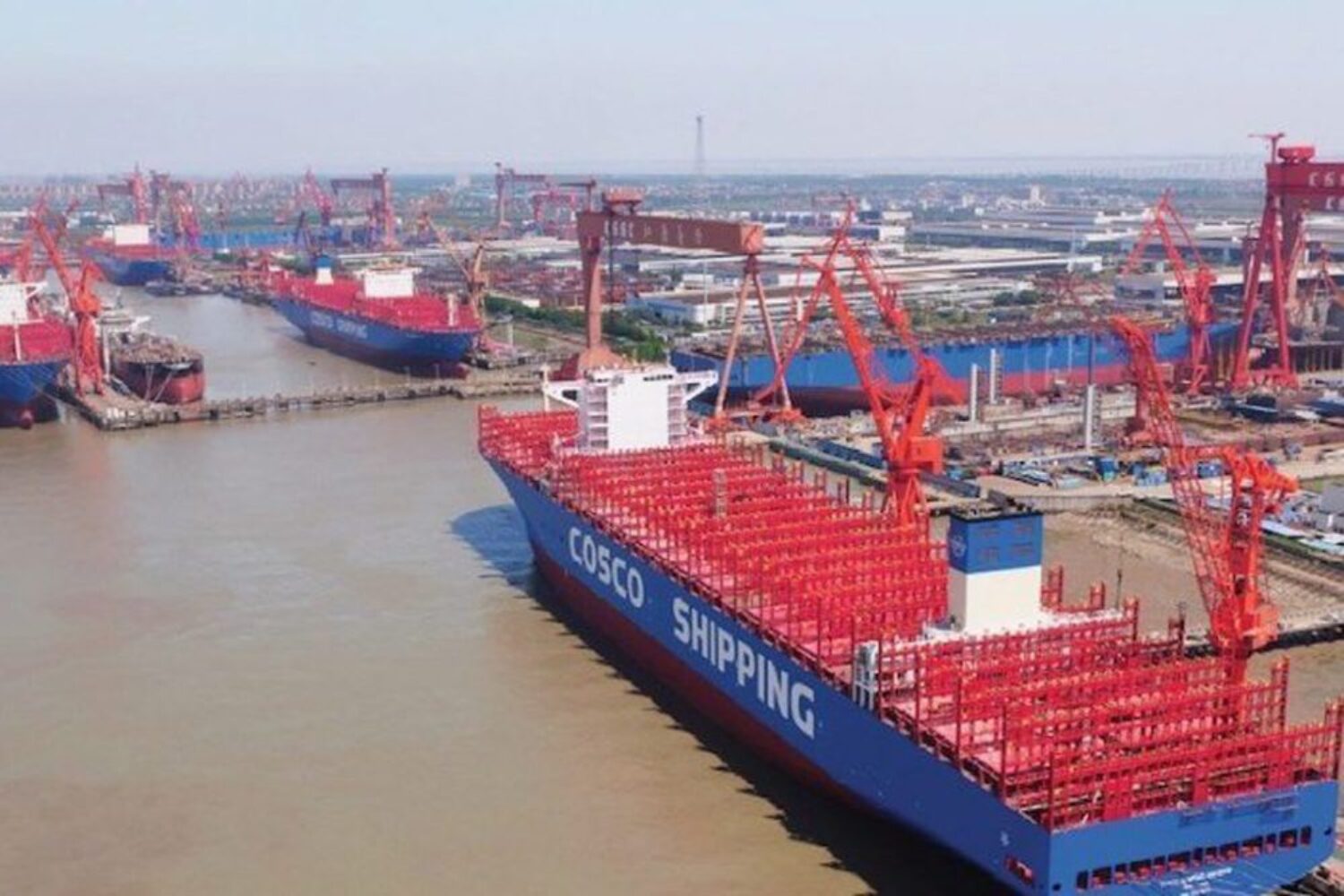
The Chinese state shipping company Cosco is ending the year with a mega order worth around CNY 50 billion for domestic shipyards. This means that building sites might become scarce.
At the end of the year, the Chinese state shipping company Cosco places one of its largest orders ever. A total of 87 ships will be built and the order is valued at around CNY 50 billion – equivalent to around €6.07 billion. According to Chinese media, this is the largest single shipbuilding order ever placed in China.
According to reports, Cosco is ordering various ship types in order to optimize its fleet. They will be built by the state-run shipyard group China State Shipbuilding Corporation (CSSC), which is also headquartered in Beijing. All ships are to be built according to modern designs, including high energy efficiency, the implementation of alternative fuels (such as ammonia or methanol), as well as digital and AI-supported systems. They are intended to meet the IMO’s decarbonization goals, as well as the industry’s need for a resilient, safe and low-carbon global supply chain.
Chinese shipyards at their limits?
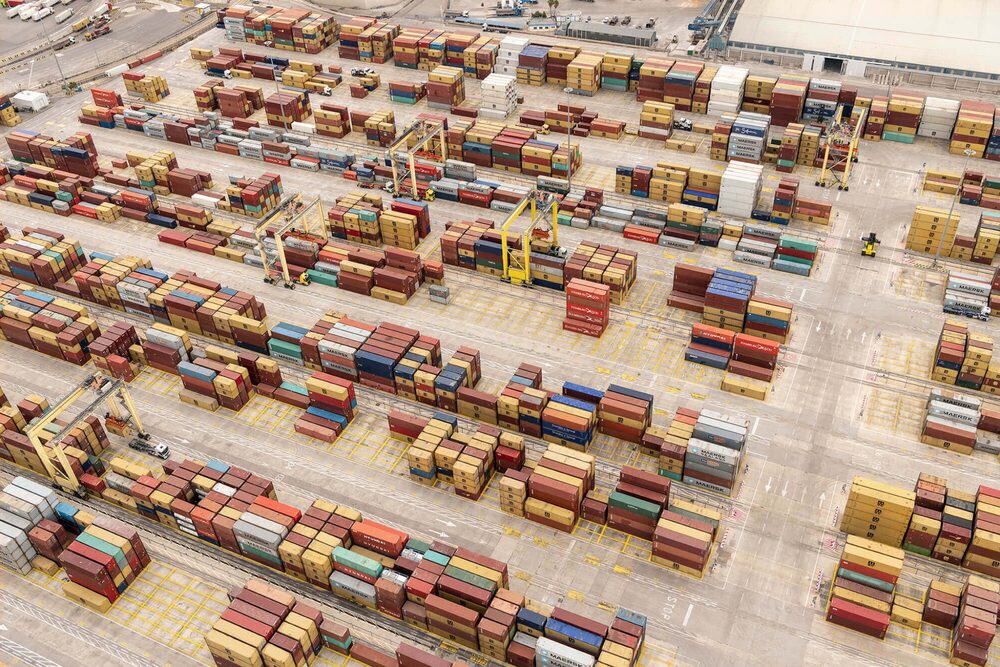
With an order of this size, even Chinese capacities are reaching their limits. China already accounts for more than 70% of all new construction orders, and now a significant amount is being added. A market expert told HANSA that it can now be assumed that the construction sites for large ships will be full by 2030. In addition, all others have increased in value due to the high demand. An official statement from Cosco is not yet available at this time.
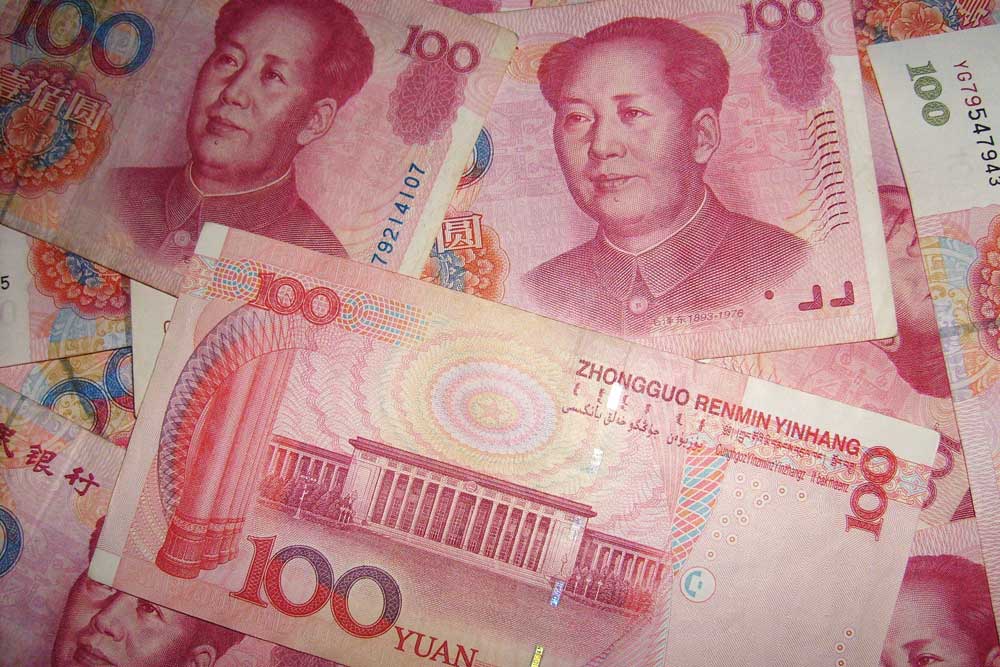
One notable factor is the financing of the ships: it is said that CNY 47 billion of the total CNY 50 billion will be handled in cross-border transactions. This confirms a trend that has been apparent in the Chinese yuan for some time: While the currency has previously been less important internationally than the dollar, yen and euro, it is to be used more in the global shipping and shipbuilding business in future. China had already significantly expanded the presence of the state-controlled renminbi yuan on the international market, for example by issuing bonds abroad. (JW)