

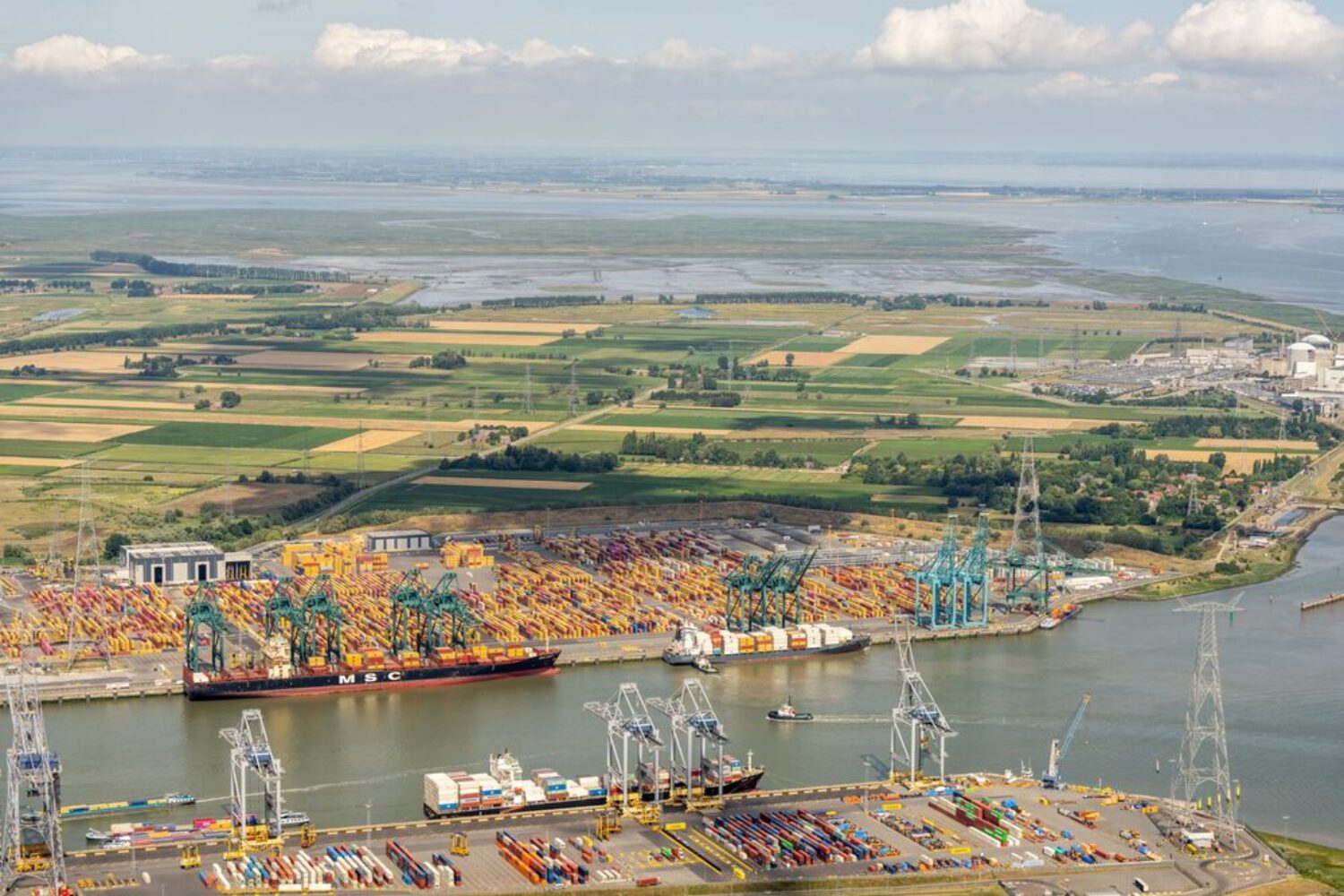
The twin port of Antwerp-Bruges closed 2025 with a decline in total throughput of -4.1% to 266 million tons. Tensions and trade conflicts had a significant impact on port activities.
Despite these burdens, the port maintained its role as one of Europe’s most important logistics hubs. Although total throughput declined, overall it remained at the level of previous years. Particularly noteworthy is the stability of container traffic, which underlines the strategic importance of the port.
Geopolitical and economic pressure characterized the entire year. The ongoing war in Ukraine, tensions between the USA, Europe and China and volatile global trade led to significant disruptions in global supply chains. Bottlenecks at container terminals, disrupted schedules and rerouting routes also had a negative impact on operational performance. Around 25 days of union action led to traffic disruptions in almost all segments and caused an estimated handling loss of 2.4 million tons.
Contrary to expectations, the USA became the port’s largest trading partner in 2025 with a throughput volume of 31.3 million tons. Rising LNG imports were a key driver of this development. At the same time, announced and implemented import tariffs led to strong fluctuations in trade volumes. Exports of iron, steel and vehicles were particularly affected, declining significantly from the second quarter onwards.
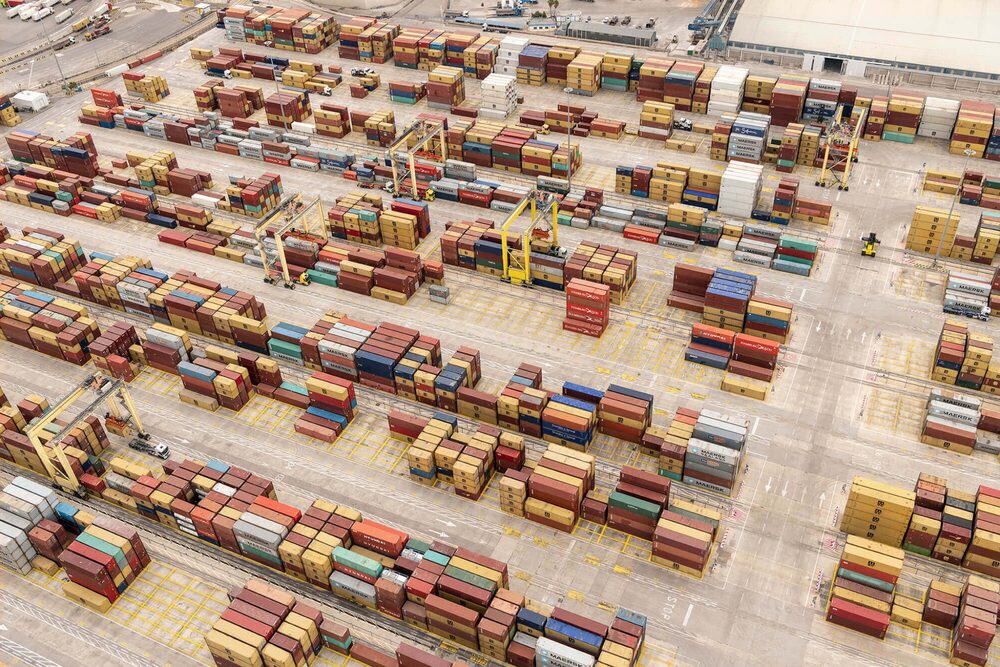
Container traffic proved to be a stabilizing factor. With slight growth of 0.4% in tons and 0.7% in TEU, Port of Antwerp-Bruges confirmed its central role within the European logistics chain. Nevertheless, the market share in the Hamburg-Le Havre range declined, mainly due to ongoing congestion. This development makes it clear that additional container capacity is urgently needed in order to remain competitive in the long term.
Liquid cargo with significant decline
There was a clear shift in the goods portfolio towards a higher proportion of imports. Liquid goods recorded a significant decline (-12.9%), particularly in the case of oil derivatives. Conventional general cargo increased thanks to a strong fourth quarter, while RoRo traffic grew due to trucks, high & heavy equipment and used vehicles (+3.0%). Dry bulk goods, on the other hand, declined significantly, particularly coal, fertilizers and sand (-12.1%).
Sanctions burden energy traffic
In Zeebrugge, the European ban on the transshipment of Russian LNG to non-EU destinations had a negative impact on energy traffic. At the same time, new LNG production capacities in the USA and the Middle East are opening up new prospects for the future. The port is thus strengthening its position as a flexible energy and transit hub.
Port Authority: “Security remains a core strategic task”
Port of Antwerp-Bruges has clear priorities for 2026. Security remains a strategic core task, with investments in physical security, cyber resilience and the fight against organized crime. At the same time, projects in the areas of circular economy, sustainable molecules and CO₂ infrastructure will be further concretized, especially in the NextGen District. Major infrastructure projects such as the additional container capacity in Antwerp and the new lock in Zeebrugge will form the basis for long-term, sustainable growth.