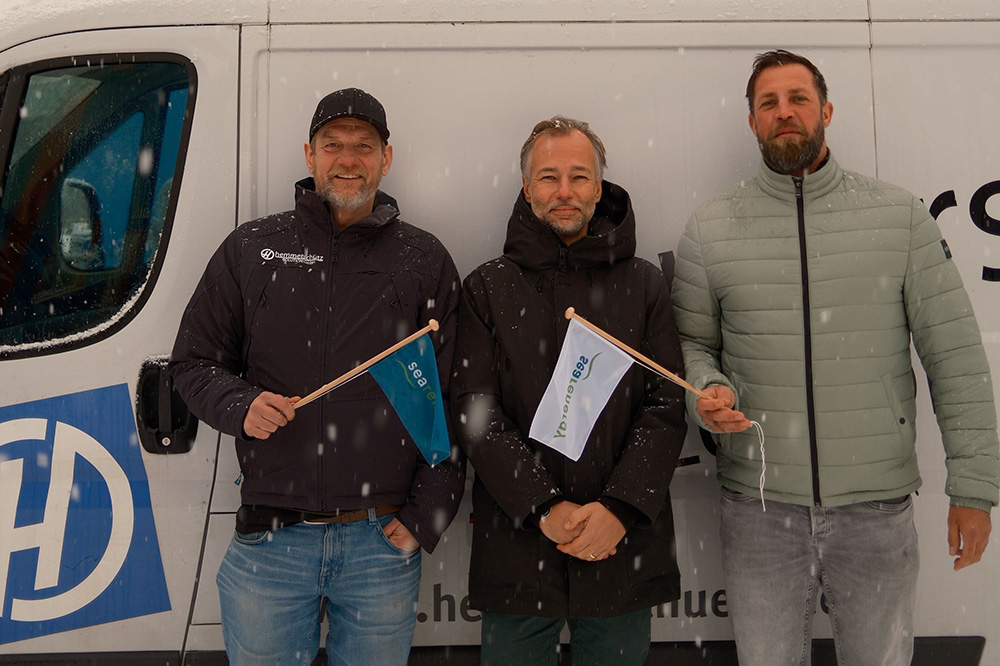



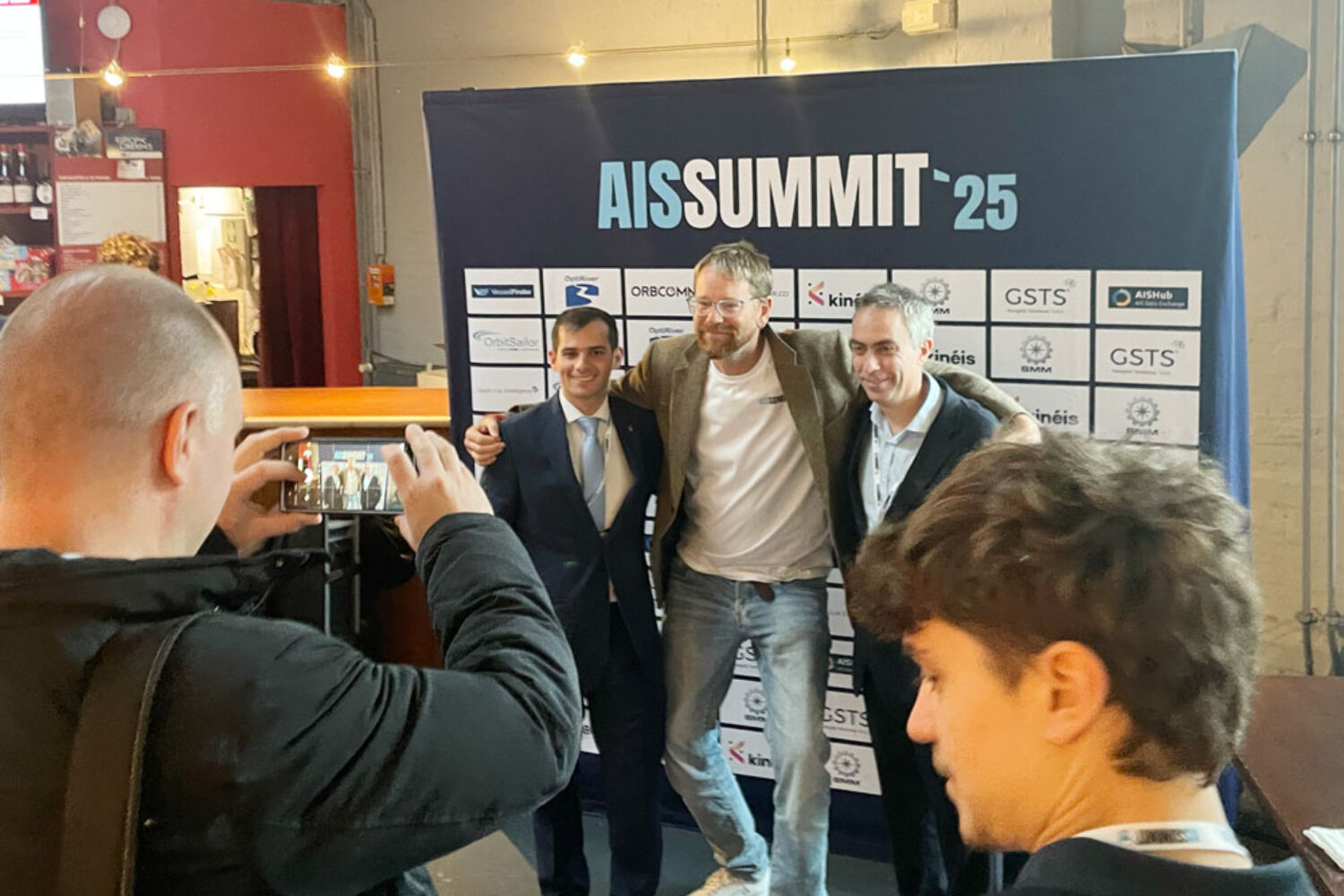
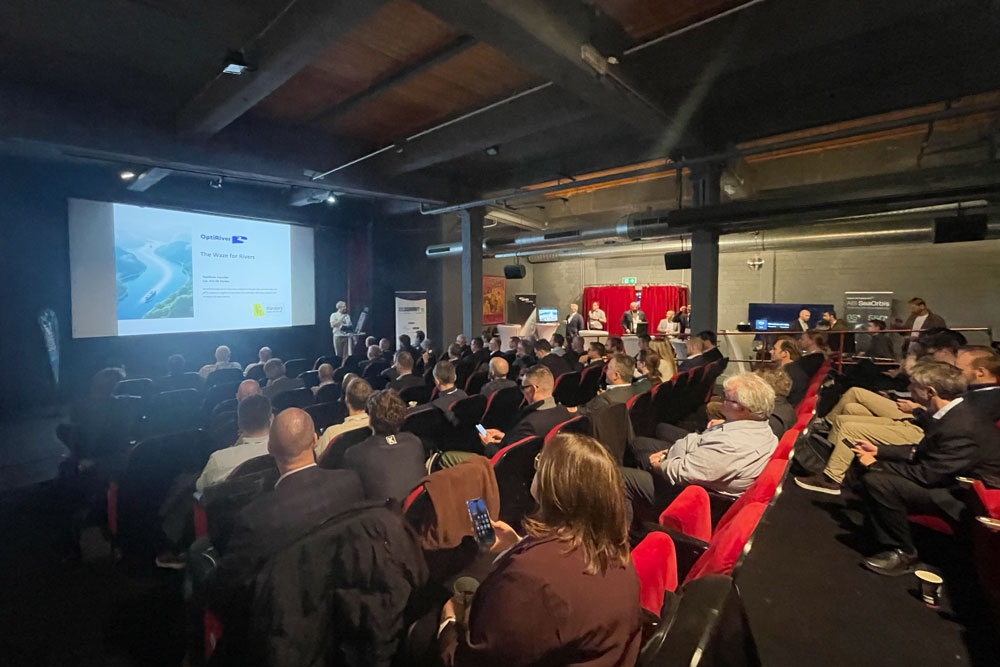
AIS experts from around the world – from Japan and India to Canada and Azerbaijan – gathered in Hamburg last week for the AIS Summit. The event was initiated and organised by Carsten Bullemer, one of the pioneers in the field and the founder of the Vesseltracker portal.
When AIS was made mandatory for shipping in 2004 as a tool for collision avoidance, Bullemer came up with the idea of using the now globally available AIS data for a ship-tracking portal. At the time, many saw him as a competitor and he was not invited to AIS events, so he decided to create one himself: the AIS Summit.
After a longer break, the event has now returned to Hamburg. The demand for exchange within the industry is high – especially since the market has consolidated and larger corporations have acquired many smaller providers. With the relaunch of the AIS Summit, Bullemer wanted to give smaller companies and start-ups a platform for exchange and presentation.
Geopolitics demand new approaches
There was plenty to talk about. Since the introduction of AIS, the market has changed fundamentally. The position data exchanged by ships worldwide is no longer used solely for collision avoidance but also for optimising routes – for example, to save fuel, reduce CO₂ emissions or shorten waiting times in ports. The analytical possibilities of AIS data have transformed shipping – a central topic at the summit.
External factors such as the current geopolitical situation are increasingly influencing the sector. While performance optimisation used to be the main focus, today the discussion revolves around jamming, spoofing, protecting critical infrastructure and tracking the so-called shadow fleet. AIS experts are working intensively on these issues, seeking solutions to protect against jamming – the blocking of AIS signals – or spoofing – the deliberate manipulation of system data. Some approaches use advanced software or radar technology to address these threats.
Radar systems can also detect ships that deliberately turn off their AIS transponders – a common occurrence in sabotage at sea or illegal operations such as ship-to-ship transfers within the shadow fleet. The company Orbit-Sailor has developed a method to use radar signals to close this security gap, enabling tracking even when AIS signals are switched off.
New AIS generation in the starting blocks
In addition to current challenges, the event also focused on the future of AIS – particularly the new VDES standard, the evolution of the Automatic Identification System. While AIS primarily serves collision avoidance, VDES goes much further: one of its main innovations is two-way data exchange. In the future, ships will not only transmit but also receive data, enabling direct communication with ports and partners. The IMO plans to make this standard mandatory from 2028.
Artificial intelligence was another key topic, taking centre stage on the second day of the conference. With the rise of AI, new possibilities are emerging. After selling Vesseltracker, Carsten Bullemer founded several new start-ups and presented one of them – “Ella” – at the summit. Ella acts as a kind of digital superintendent or ship manager, supporting various onboard operations. The AI can read all onboard manuals and provide instant assistance. When a repair is needed, crew members no longer have to browse through manuals but can simply ask Ella, which delivers the required know-how and can also handle routine tasks such as ordering supplies – simplifying daily ship operations.
The topics and challenges facing the AIS community show no signs of slowing down. The sector continues to evolve dynamically, with growing data volumes driving new applications. As Bullemer summed up after the first conference day, he was happy to see many familiar faces – and equally pleased about the number of new start-ups and people eager to innovate. “There are many new kids on the block,” he concluded.

If you want to learn more about maritime data listen to HANSA.newscast with Carsten Bullemer:
#53 Carsten Bullemer on AI, Innovation, and Community Impact